Creating high-quality video content often requires more than just original recordings. Many small creators rely on stock footage to enhance their storytelling, illustrate concepts, and improve the overall professionalism of their videos. However, buying premium clips can be expensive, especially for beginners with limited budgets. Fortunately, there are many ways to find affordable stock footage that helps creators produce impressive content without overspending.
Why Stock Footage Is Important for Small Creators
Stock footage allows content creators to include professional visuals that would otherwise be difficult or costly to film themselves. For example, scenes involving city skylines, aerial landscapes, business environments, or specialized industries can easily be integrated into a video using stock clips.
For small YouTube channels, freelancers, and independent marketers, stock footage can save both time and money. When combined with other visual assets such as Cheap Stock Photos, creators can build engaging content that looks polished and visually appealing.
Stock footage also helps improve storytelling. Instead of relying solely on talking-head segments, creators can insert relevant clips that illustrate their message and keep viewers interested throughout the video.
Where to Find Affordable Stock Footage
Many platforms now offer affordable stock footage options specifically designed for small creators. Some websites provide subscription plans that allow multiple downloads each month, while others sell clips individually at lower prices.
Subscription platforms are often the most budget-friendly option if you produce videos regularly. With a monthly plan, creators can access large libraries of clips without worrying about paying for every single file. This makes it easier to experiment with visuals and maintain consistent production quality.
Another option is marketplaces that sell individual clips at competitive prices. These sites allow creators to purchase only the footage they need, which can be useful for occasional projects.
Free stock footage libraries also exist and can be a great starting point. While free collections may be smaller, they often contain useful clips that can complement other visual resources like Cheap Stock Photos.
How to Choose the Right Footage
When selecting stock footage, quality should always be a priority. Look for clips that are at least 1080p resolution, though 4K footage is becoming increasingly common and offers greater flexibility during editing.
Relevance is another key factor. The footage should match the message and tone of your video. For example, if you are creating business tutorials, professional office scenes may work best. If your content focuses on lifestyle topics, outdoor or everyday activity clips might be more appropriate.
Consistency in style is also important. Using clips with similar lighting, color tones, and cinematic style will make your video look more cohesive and professional.
Combining Footage With Other Visual Assets
Small creators often achieve the best results by combining multiple types of media. Stock footage works well alongside graphics, animations, and Cheap Stock Photos to create visually dynamic videos.
For example, you might use stock footage for motion scenes, photos for static visual references, and animated text for key points. This layered approach keeps viewers engaged while maintaining a polished look.
Final Thoughts
Affordable stock footage has become a valuable tool for small creators who want to produce professional content without a large production budget. By exploring subscription platforms, individual clip marketplaces, and free libraries, creators can find high-quality visuals that fit their needs.
When paired with other visual resources like Cheap Stock Photos, stock footage can dramatically improve the visual impact of your videos. With the right strategy, even small creators can produce engaging, professional-looking content that stands out in today’s competitive digital landscape.
In today’s digital world, stock photos have become an essential resource for marketers, bloggers, and businesses alike. With just a few clicks, I can access a vast library of images that elevate my content and grab attention. But not all stock photos are created equal; some can either enhance my message or leave it feeling flat.
I’ve learned that choosing the right stock photos can make a significant difference in how my audience perceives my brand. Whether I’m searching for stunning visuals for a website, social media posts, or presentations, understanding the nuances of stock photography helps me select images that truly resonate. Let’s dive into the world of stock photos and explore how to make the most of this powerful tool.
What Are Stock Photos?
Stock photos are professional images available for licensing and use in various projects. They offer a wide range of subjects, including landscapes, people, and objects, catering to diverse needs. Stock photos come from photographers and agencies, who create and distribute these images for commercial use.
These images streamline the content creation process by providing readily accessible visuals. Instead of hiring a photographer for custom images, I can choose from thousands of stock photos that fit my requirements. Stock photos also save time and resources, allowing me to focus on other aspects of my project.
Licensing models determine how I can use stock photos. Common types include royalty-free and rights-managed. Royalty-free licenses enable multiple uses without ongoing fees, while rights-managed licenses restrict usage based on specific terms. Understanding these models ensures I select the best option for my projects.
Stock photos serve as a versatile and efficient resource for adding visual appeal to content and enhancing overall engagement.
Types of Stock Photos
Understanding the different types of stock photos helps in selecting the right images for projects. Two main categories include royalty-free and rights-managed stock photos.
Royalty-Free Stock Photos
Royalty-free stock photos provide unlimited usage rights after a one-time license fee. I can use these images across multiple projects without worrying about additional costs. This type is popular due to its affordability and flexibility. Creators often prefer royalty-free stock photos for personal websites, marketing materials, and social media.
Rights-Managed Stock Photos
Rights-managed stock photos come with specific usage restrictions dictated by the licensing agreement. This type requires a fee based on factors such as intended use, duration, and geographic distribution. Rights-managed stock photos deliver high-quality images tailored to specific project needs, making them ideal for clients seeking unique visuals. Despite being more expensive than royalty-free options, they offer exclusive rights and prevent unauthorized use.
Benefits of Using Stock Photos
Using stock photos provides numerous advantages for various projects. Their accessibility and variety can significantly enhance the quality and appeal of visual content.
Cost-Effectiveness
Stock photos offer a cost-effective solution for businesses and creators. Instead of hiring a photographer, which can incur high costs, purchasing stock photos usually involves a one-time licensing fee. This fee often includes broad usage rights, enabling me to use the images across multiple platforms, like websites, social media, and blogs. For instance, sites like Shutterstock and Adobe Stock provide extensive libraries of diverse images at competitive prices. The affordability of stock photos makes them ideal for startups and small businesses needing high-quality visuals without a hefty budget.
Time-Saving
Stock photos save valuable time during the content creation process. Searching for the perfect image typically takes less time than organizing a photoshoot, coordinating schedules, and editing images. With well-organized categories and search functions, stock photo platforms enable me to find relevant images quickly. For example, I can input keywords and immediately receive a selection of images tailored to my needs. As a result, stock photos streamline my workflow, allowing me to focus more on content creation and strategy rather than the logistics of image production.
Choosing the Right Stock Photos
Choosing suitable stock photos is essential for creating engaging content that resonates with an audience. The right images enhance messaging and encourage viewer interaction.
Tips for Selection
Identify the Audience: Understand who your audience is to select stock photos that appeal to their preferences and interests. Tailoring images to target demographics can improve engagement.
Focus on Quality: Prioritize high-resolution stock photos with professional aesthetics. Quality visuals reflect care and credibility, positively impacting brand perception.
Consider Relevance: Select stock photos that align closely with content themes. Images should visually represent and support the messages you convey, ensuring clarity for viewers.
Choose Authenticity: Opt for stock photos that appear genuine and relatable. Authentic images foster trust, making brands more approachable and relatable.
Explore Variety: Utilize diverse options, including different styles and compositions, to maintain visual interest in your content. A mix of images can cater to various aspects of your messaging and audience insights.
Common Mistakes to Avoid
Ignoring Licensing Terms: Misunderstanding licensing models can lead to legal issues. Ensure you grasp the licensing terms for stock photos to avoid potential pitfalls regarding usage rights.
Selecting Cliché Images: Using overly staged or cliché stock photos can dilute the intended message. Avoid images that lack originality, as they can fail to capture viewer interest.
Disregarding Consistency: Maintain a consistent visual theme across all stock photos used in your content. Inconsistent styles can confuse viewers and weaken brand identity.
Overlooking Context: Failing to consider the context in which stock photos are placed can lead to misinterpretations. Match the visuals to the accompanying text to strengthen the narrative.
Rushing the Selection: Taking time to carefully choose and evaluate stock photos is vital. Rushed selections can result in missed opportunities for creating compelling, high-quality content.
Popular Stock Photo Websites
Numerous stock photo websites offer vast libraries of images suitable for various projects. Each platform presents unique features that cater to diverse user needs. Here are some popular websites where I often find high-quality stock photos:
Shutterstock: This platform boasts millions of stock photos, illustrations, and vectors. Its robust search functionality helps locate specific images quickly. Subscription plans provide flexibility for frequent users.
Adobe Stock: Integrated with Adobe Creative Cloud, Adobe Stock offers an extensive collection of stock photos. Its user-friendly interface streamlines the search process, and users can access high-resolution images with ease.
Getty Images: Known for premium-quality stock photos, Getty Images caters to a professional audience. This site features exclusive images and various licensing options, making it suitable for high-end marketing campaigns.
iStock: A subsidiary of Getty Images, iStock provides affordable stock photos with a focus on creativity. It offers various membership plans, making quality visuals more accessible for small businesses.
Unsplash: This website specializes in free stock photos contributed by photographers worldwide. Unsplash emphasizes high-resolution images, making it a go-to resource for unique visuals without licensing fees.
Pexels: Like Unsplash, Pexels offers a marketplace of free stock photos and videos. It curates collections based on trending themes, enabling quick access to popular visuals.
Depositphotos: With a vast collection of stock photos, Depositphotos offers competitive pricing and flexible plans. Users can opt for pay-per-download options or subscription services for extensive access.
When selecting stock photos from these websites, always pay attention to the licensing terms to ensure proper usage. Each platform has its strengths, so I choose based on specific project needs and budget considerations.
Conclusion
Stock photos are an invaluable tool for anyone looking to enhance their visual content. By choosing the right images, I can elevate my brand’s perception and connect more effectively with my audience. The accessibility and variety of stock photos make them a smart choice for both seasoned marketers and those just starting out.
Navigating licensing models and understanding the nuances between royalty-free and rights-managed options is essential for making informed decisions. With the right approach, I can streamline my content creation process and focus on what truly matters—delivering quality content that resonates. Embracing stock photography opens up a world of possibilities for creativity and engagement, allowing me to tell my story visually.
Finding high-quality stock photos on a budget can feel like searching for a needle in a haystack. We’ve spent countless hours exploring various stock photo websites to bring you the most affordable options for 2024 that don’t compromise on quality.
Whether you’re a small business owner, blogger, or creative professional, we understand the importance of accessing professional imagery without breaking the bank. That’s why we’ve compiled a comprehensive list of platforms offering cheap stock photos that’ll help you create stunning visual content while staying within your budget. From subscription-based services to pay-as-you-go options, we’ll show you where to find the best deals in 2024.
Best Stock Photo Sites for Budget-Conscious Creators
After analyzing 20+ stock photo platforms, we’ve identified the most cost-effective options that provide high-quality images for creators in 2024.
Most Affordable Subscription Plans
Subscription-based stock photo services deliver the best value for regular content creators:
Shutterstock’s annual plan costs $29/month with 10 daily downloads plus access to Shutterstock AI
Depositphotos offers 30 downloads monthly at $19/month
Adobe Stock provides 10 standard assets monthly for $24.99
iStock’s essential plan includes 10 downloads monthly at $25/month
Canva Pro includes unlimited stock photos at $12.99/month
Platform
Monthly Cost
Downloads
Shutterstock
$29
300/month
Depositphotos
$19
30/month
Adobe Stock
$24.99
10/month
iStock
$25
10/month
Canva Pro
$12.99
Unlimited
Shutterstock image packs start at $49 for 5 downloads
Adobe Stock credits begin at $29.99 for 3 images
iStock’s credit packs range from $12 for 1 credit to $240 for 24 credits
123RF offers prepaid credits starting at $29 for 10 downloads
Depositphotos’ on-demand downloads begin at $9.99 per image
Platform
Minimum Purchase
Cost per Image
Shutterstock
5 images
$9.80
Adobe Stock
3 images
$9.99
iStock
1 credit
$12
123RF
10 downloads
$2.90
Depositphotos
1 image
$9.99
Free vs. Low-Cost Stock Photo Libraries Compared
Stock photo libraries offer distinct pricing models in 2024, ranging from completely free options to affordable subscription plans. Here’s a detailed comparison of the available options:
Creative Commons Images
Creative Commons platforms provide free images with specific usage rights defined by licenses. Popular platforms include:
Unsplash: High-resolution photos with unlimited commercial use
Pexels: Professional-quality images without attribution requirements
Pixabay: Extensive library of photos with no copyright restrictions
Wikimedia Commons: Historical images suitable for educational content
Creative Commons Search: Aggregates images from multiple free sources
Royalty-Free Options
Royalty-free platforms offer premium images through cost-effective licensing models:
Shutterstock Free Trial: Access to 10 free premium images during a 30-day trial period
Adobe Stock: Starts at $29.99/month for 10 images
Depositphotos: Basic plan at $9.99/month for 10 downloads
iStock Essentials: $29/month for 10 downloads
Canva Pro: $12.99/month with unlimited access to stock photos
Platform
Monthly Cost
Images per Month
Shutterstock Free Trial
$0 (first month)
10
Adobe Stock
$29.99
10
Depositphotos
$9.99
10
iStock Essentials
$29.00
10
Canva Pro
$12.99
Unlimited
Key differences include image quality standards, commercial usage rights, exclusive content availability through Shutterstock AI-enhanced searches, file size options, download limits, and usage tracking features.
Top Money-Saving Tips for Buying Stock Photos
Stock photo platforms offer multiple cost-saving opportunities for savvy buyers. Here’s how to maximize savings when purchasing stock photos in 2024.
Bulk Purchase Discounts
Stock photo websites provide significant discounts on larger image packs. Shutterstock offers 25% off on purchases of 25+ images through enhanced licenses. Depositphotos reduces prices by 30% for bulk downloads of 50+ images. Adobe Stock includes discounts of up to 40% on annual prepaid plans with higher download limits.
New Year deals in January with up to 40% off annual subscriptions
Summer sales featuring 3 months free on yearly plans
Black Friday bundles combining standard licenses with enhanced features
Holiday season promotions with bonus downloads on prepaid packages
Limited-time discounts on Shutterstock AI-generated content for creative projects
Quality Considerations When Choosing Budget-Friendly Images
When selecting cheap stock photos in 2024, image quality remains paramount despite budget constraints. Here’s what to evaluate before making a purchase decision.
Image Resolution and Licensing Terms
High-resolution images ensure professional-quality results across various applications. Images from reliable platforms like Shutterstock maintain minimum resolution standards:
Full HD images (1920×1080 pixels) for web content
4K resolution (3840×2160 pixels) for print materials
Vector files for scalability without quality loss
Clear licensing documentation specifying usage rights
Watermark-free downloads upon purchase
Extended Usage Rights
Extended rights expand content utilization possibilities beyond standard licenses:
Commercial usage permissions for marketing materials
Print-on-demand capabilities for merchandise
Social media platform distribution rights
Geographic distribution flexibility
Multiple project usage allowances
Platform-specific features enhance value:
Platform
Extended Rights Features
Additional Benefits
Shutterstock
Multiple format access
AI image generation included
Adobe Stock
Extended license options
Creative Cloud integration
Depositphotos
Unlimited reproduction
Perpetual usage rights
Model releases included
Property releases verified
Editorial usage permissions
Unlimited seat licenses
Worldwide distribution rights
Popular Stock Photo Sites Under $50/Month
Several major stock photo platforms offer affordable subscription plans under $50 per month in 2024, providing access to extensive libraries of high-quality images. These options include both subscription-based services and credit pack systems tailored for different usage needs.
Subscription-Based Services
Shutterstock’s Starter Plan: $29/month for 10 downloads
Adobe Stock Basic: $29.99/month for 10 standard assets
Depositphotos Flexible Plan: $19/month for 30 downloads
iStock Essential Plan: $29/month for 10 downloads
Canva Pro: $14.99/month with unlimited stock photos
Each subscription includes:
Monthly download credits
Commercial usage rights
Access to exclusive content
Regular content updates
Advanced search filters
Credit Pack Options
Stock photo platforms offer pre-paid credit packs as cost-effective alternatives:
Platform
Credit Pack Price
Images Included
Cost Per Image
Shutterstock
$49
5 images
$9.80
Depositphotos
$39
10 images
$3.90
Adobe Stock
$29.99
3 images
$9.99
iStock
$48
6 images
$8.00
No monthly commitments
Credits valid for 12 months
Bulk purchase discounts
Flexible download options
Standard licensing included
Conclusion
Finding affordable stock photos doesn’t mean compromising on quality. We’ve shown you the best platforms offering budget-friendly options in 2024 with detailed pricing breakdowns subscription plans and money-saving strategies.
Whether you choose popular platforms like Shutterstock and Adobe Stock or explore free alternatives like Unsplash and Pexels we’re confident you’ll find the perfect solution for your visual content needs. Remember to take advantage of bulk discounts seasonal promotions and flexible credit packs to maximize your investment.
By following our comprehensive guide you’ll be well-equipped to make informed decisions about your stock photo purchases while keeping your budget intact.
Opening an art gallery involves more than just curating beautiful pieces and understanding artistic trends. While there’s no specific license required solely for operating an art gallery, several legal considerations come into play when launching this type of business.
We know that aspiring gallery owners often wonder about licensing requirements, especially when planning to sell both their own work and pieces from other artists. The reality is that while you won’t need a specialized “art gallery license,” you’ll likely need various business permits and registrations from federal, state, and local agencies to operate legally. Even simple decisions like playing background music in your gallery space can require specific licensing considerations.
Key Takeaways
While no specific “art gallery license” exists, owners need various business permits and registrations to operate legally
Essential requirements include business registration, sales tax permits, Certificate of Occupancy, and proper insurance coverage
Costs vary by location but typically include business license ($50-$400), sales tax permit ($0-$100), and insurance ($500-$2,000) annually
Galleries must comply with local zoning laws, fire safety regulations, and maintain proper employment documentation if hiring staff
Operating without required licenses can result in severe penalties, including fines up to $25,000, closure, and legal consequences
Understanding Art Gallery Business Requirements
Operating an art gallery involves specific business requirements that vary based on the gallery type and location. Understanding these requirements helps establish a compliant and successful art business.
Types of Art Galleries
Art galleries operate in three distinct formats:
Physical Galleries: Traditional brick-and-mortar spaces with permanent locations dedicated to displaying artwork
Virtual Galleries: Online platforms that showcase digital art collections accessible through websites or mobile applications
Pop-up Galleries: Temporary exhibition spaces in non-traditional venues operating for limited durations
Business Registration: Register the gallery as a legal business entity (LLC, Corporation or Sole Proprietorship)
Tax Permits: Obtain state sales tax permits for artwork transactions
Business Permits: Secure local business operation permits from city or county authorities
Zoning Compliance: Verify location compliance with local zoning laws for gallery operations
Insurance Coverage: Purchase liability insurance to protect artwork inventory
Fire Safety Certification: Meet local fire safety regulations for public spaces
Permit Type
Typical Cost Range
Renewal Period
Business License
$50-$400
Annual
Sales Tax Permit
$0-$100
One-time
Zoning Permit
$100-$500
One-time
Insurance
$500-$2,000
Annual
Note: Specific licensing requirements vary by location and local regulations.
Essential Business Licenses and Permits
Operating an art gallery requires several specific licenses and permits to ensure legal compliance. Each jurisdiction maintains distinct requirements for business operations, and obtaining the proper documentation is essential before opening your doors.
General Business License
A general business license serves as the foundation for operating an art gallery. Filing for a DBA (Doing Business As) enables gallery operations under a chosen business name, though operating under your personal name remains an option. The license requires renewal every 1-2 years, depending on local regulations.
Sales Tax Permit
A sales tax permit creates an account with the state’s Department of Revenue for collecting and remitting sales tax. Additionally, a resale certificate enables tax-free purchases of artwork and supplies intended for resale, with the final sales tax collected from end customers. This permit proves particularly valuable for galleries generating revenue through art sales commissions.
Certificate of Occupancy
A Certificate of Occupancy confirms that your gallery space meets local building codes and zoning requirements. This document verifies:
Building safety compliance
Fire code adherence
Proper ventilation systems
Accessibility standards
Zoning regulations for art gallery use
License/Permit Type
Typical Renewal Period
Primary Purpose
General Business License
1-2 years
Legal business operation
Sales Tax Permit
Annual
Tax collection authority
Certificate of Occupancy
One-time*
Space compliance verification
Additional Legal Considerations
Operating an art gallery involves several legal requirements beyond basic licensing. These requirements protect the business assets, employees, and customers while ensuring compliance with state and federal regulations.
Business Entity Registration
Business registration establishes the legal structure of an art gallery. A sole proprietor registers the gallery under their name or files for a DBA (Doing Business As). The process includes obtaining an Employer Identification Number (EIN) from the IRS or using a social security number for sole proprietorships.
Insurance Requirements
Art galleries require specific insurance coverage to protect against various risks:
General Liability Insurance: Covers accidents, injuries, and property damage
Professional Liability Insurance: Protects against errors in artwork authenticity or appraisals
Commercial Property Insurance: Safeguards the physical gallery space and artwork
Fine Art Insurance: Covers damage or loss of artwork during storage, display, or transit
Insurance Type
Coverage Amount
Typical Annual Premium
General Liability
$1M per occurrence
$500-$1,500
Professional Liability
$1M-$2M
$800-$2,000
Fine Art Insurance
Based on inventory
0.5-2% of value
Employee Documentation
Art galleries with employees must maintain specific documentation:
I-9 Forms: Verify employment eligibility
W-4 Forms: Document employee tax withholding
Workers’ Compensation Insurance: Required in most states
Payroll Tax Registration: Essential for employee tax withholding
Labor Law Posters: Display mandatory workplace notices
These employment documents establish compliance with federal and state labor laws while protecting both the gallery and its employees.
Cost Factors of Licensing and Permits
Opening an art gallery involves various licensing and permit costs that impact the initial budget and ongoing operational expenses. These expenses fluctuate based on location, gallery size and business structure.
Application and Processing Fees
Initial application fees for art gallery licenses and permits range from $50 to $3,000. Local business licenses typically cost $100-$500, while state-level permits average $150-$400. Here’s a breakdown of common fees:
Permit/License Type
Initial Fee Range
Processing Time
Business License
$100-$500
2-4 weeks
Sales Tax Permit
$50-$100
1-2 weeks
Certificate of Occupancy
$200-$1,000
3-6 weeks
Fire Safety Permit
$150-$500
2-3 weeks
Sign Permit
$100-$300
1-2 weeks
Business licenses require annual renewal with fees ranging from $50-$400
Sales tax permits need renewal every 2-5 years depending on state regulations
Fire safety permits demand annual inspections with renewal fees of $100-$300
Health permits require bi-annual renewals averaging $150-$250
Professional licenses maintain 2-year renewal cycles costing $200-$500
License Type
Renewal Period
Renewal Fee Range
Business License
Annual
$50-$400
Sales Tax Permit
2-5 years
$75-$200
Fire Safety
Annual
$100-$300
Health Permit
Bi-annual
$150-$250
Professional
2 years
$200-$500
Operating Without Proper Licensing
Operating an art gallery without required licenses exposes gallery owners to significant legal risks. While a specific “art gallery license” isn’t required, operating without mandatory business permits leads to severe consequences.
Legal Consequences
Immediate closure of the gallery by local authorities
Criminal charges resulting in misdemeanor or felony convictions
Court-ordered injunctions prohibiting business operations
Personal liability exposure for business transactions
Invalidation of insurance coverage claims
Loss of legal protection for art consignment agreements
Forfeiture of the right to conduct future business
State fines ranging from $1,000 to $25,000 per violation
Federal penalties up to $50,000 for tax compliance failures
Back-payment requirements for unpaid sales taxes plus interest
Mandatory restitution to affected parties
Civil penalties from regulatory agencies
Asset seizure by government authorities
Additional audit requirements at owner expense
Violation Type
Typical Fine Range
Additional Consequences
Operating Without Business License
$500 – $5,000
Mandatory closure
Sales Tax Violations
$1,000 – $25,000
Tax liens
Fire Code Violations
$250 – $10,000 per day
Immediate evacuation
Zoning Infractions
$100 – $1,000 daily
Property liens
Employment Law Violations
$5,000 – $50,000
Criminal charges
Conclusion
Opening an art gallery isn’t just about hanging beautiful artwork on walls. While there’s no specific “art gallery license” we’ll need a variety of permits and licenses to operate legally and safely. From basic business licenses to specialized permits these requirements protect our gallery our artists and our patrons.
Staying compliant with all licensing requirements helps us avoid costly penalties and ensures our gallery’s long-term success. We recommend working with local authorities and legal professionals to secure all necessary documentation before opening our doors. This proactive approach will help create a solid foundation for our art gallery business.
Remember that investing time and resources in proper licensing is an essential part of building a reputable and thriving art gallery.
Shutterstock is one of the most frequented stock photo agencies in the market due to its many admirable features. It has over 80 million high quality royalty-free images in its collection, with 500,000 more added every week. It also features a user-friendly interface that caters to users and appeals to visitors. Moreover, it shows gratitude to its consumers by working with Stock Photo Secrets to provide further savings through Shutterstock coupons.
Shutterstock coupon codes give users the opportunity to browse through the stock photo website’s library and download premium content without breaking the bank. They are valuable incentives that allows creative professionals, like you, to make multiple purchases or subscribe to great plans at a much lower price. They are exclusively distributed by affiliated websites, so make sure you are not falling for scams. Go to Stock Photo Secrets for valid and active codes. Click here for info.
Today’s Shutterstock Promo Code
Today’s Shutterstock promo codes can get you up to 15% off on all image subscriptions and 10% off on all footage products. This promotion is exclusive to Stock Photo Secrets readers only. It expires on December, 2026, so hurry and redeem your coupon code now! To redeem, make sure you copy the code first. Then, follow these three simple steps:
Choose an image plan you want to subscribe to. Shutterstock offers amazing royalty-free images at flexible prices. You can subscribe and save with image plans, available for one month, three months and one year subscriptions. Choose whichever suits your creative needs and budget, then click “Buy Now”. We recommend the yearly subscription for more value.
Log in your account. To purchase the image plan, you need to log in your account. If you do not have a Shutterstock account yet, create an account. It is free and only takes a few minutes of your time.
Enter your Shutterstock coupon code. You will find a box right below the product that asks for a promo code. Enter the exclusive coupon code and click apply to proceed your purchase. Wait for a few seconds to see your savings.
Congratulations! You have saved 15% off your chosen image subscription plan. You can start browsing through the library and downloading your images right away.
Through these Shutterstock coupons, you can save up to 15% off your favorite subscription. You may think that it is not a huge reduction, but it matters – especially if you are planning to make multiple purchases. If you are looking for good deals this 2026 , you have come to the right page. Stock Photo Secrets has a lasting relationship with Shutterstock that enabled us to offer exclusive and better deals. What are you waiting for? Get your Shutterstock coupon 2026 today!
Blog posts, marketing materials and websites all need high quality images to make them look appealing, to capture people’s attention and maintain it. You may think that images come with an expensive price tag, but it is not always the case. Sure, it is heavy in the pocket to conduct your own photoshoot. But, there are other ways to acquire high quality images. This is what makes cheap stock photo sites very awesome sources.
There are a number of stock agencies in the market, but buying cheap stock photos for website from 99 Club may be the best idea. The stock photo site has over 4 million high resolution images in its library (vectors and fonts included). All come with a royalty free license that allows you to the images in any creative project – forever! Here are a few other reasons why you should join:
Remarkable Subscription – 99 Club allows you to download up to 200 XXL images for an annual membership of only $99, thus the name. No need to worry about additional fees. The pricing is pretty straightforward. If you need more than 200 images, you can download additional images for as low as $0.99 each. Join now!
Premium Content – All images in the library are professionally created. Handpicked by experts in the stock photo industry, you can be sure that you will get the best value for your money. 99 Club currently features over 4 million high resolution images, vectors and fonts. Over 80,000 more added every month, too.
Stress free access – Cheap stock photos from 99 Club can be used whenever, forever. Download any of the images and illustrations to jump start your creative project or to spice up your blog and website. By subscribing to the stock agency, you can use your downloads whenever you like, even all in one day. The membership is only given to a limited number of customers, so hurry!
Go crazy with size – At 99 Club, you have the choice to download images of any size. You have the choice of small, medium and up to XXL sizes. Join today and download the image size that best fits your website. You don’t have to worry about pixelated images anymore.
When you join 99 Club, you can download the cheap stock photos you like right away. You only have to pay a single fee, so you don’t have to worry about monthly bills. The annual membership gives you access to millions of stunning high resolution images. You also have the option to renew your membership manually or automatically. If you wish to secure the low price deal as long as the offer stands, you can auto-renew your subscription for the same price.
What are you waiting for? Sign up for 99 Club, subscribe to the annual plan and start downloading the images that will make your website pop! Once you join, you can keep your membership for as long as you wish. All images have relevant model and property release, so you don’t have to worry about copyright issues in the future. Join the Club now!
When it comes to making your website or blog more appealing, you need more than relevant text. High quality images play a great role in attracting your readers and making them stay. In many cases, they are the difference between the dull posts and amazing ones. Conducting your own photoshoot gives you assurance that the images do not only match your theme and style, they are also safe to use. After all, you already own the copyright. Click here to find more.
So, it is still safe to use cheap stock photos 2025? The answer is yes, of course! No matter which year, stock photos are a safe way to spice up your website and blog. Conducting your own photoshoot can take time and money. If you don’t have the luxury of both resources, we suggest getting your images from reliable stock photo agencies including:
99 Club. 99 Club by Stock Photo Secrets is backed by industry experts. It currently has over 4 million premium images with standard royalty-free license. The subscription is priced at $99 – an annual membership that entitles you to 200 XXL images. Is It Safe to Use Cheap Stock Photos 2025?Once you join, you can keep your membership for as long as you wish. You can choose to manually or automatically auto-renew your subscription.
Shutterstock has been in the stock photo industry for over a decade, providing professionals with high quality content and innovative tools to power their creative process. It has a whopping 170-million image gallery, with the option of standard and enhanced license. Plus, coupons are offered both by the stock site and an affiliate website – Stock Photo Secrets. Feel free to choose from flexible plans and pricing to meet your creative needs and budget.
Adobe Stock. Adobe Stock features the most inspiring images from contributors around the world. Acquiring Fotolia, it is now home to millions of high quality, royalty-free images. Discover collections and work faster within your Creative Cloud desktop application, too. The stock site is integrated with CC software so you can find the perfect images and work on it right inside your favorite Adobe app.
All cheap stock photos 2025 from the above stock photo sites are safe to use. They come with royalty-free license, so you can use them in any project for as long as wish – provided it stays within the terms and conditions of the stock site. Look at here now.
Why is it important to use cheap stock photos? Buying stock images is inexpensive compared to conducting your own photoshoot. It is the best option if you time is not on your side and your pockets are half empty. Furthermore, it is safe. Yes, there are free images in the Internet. But, they do not have the license that comes with stock photos, making you at risk for copyright problems down the road. Getting caught violating copyright laws will cost you not only your money, but also your reputation.








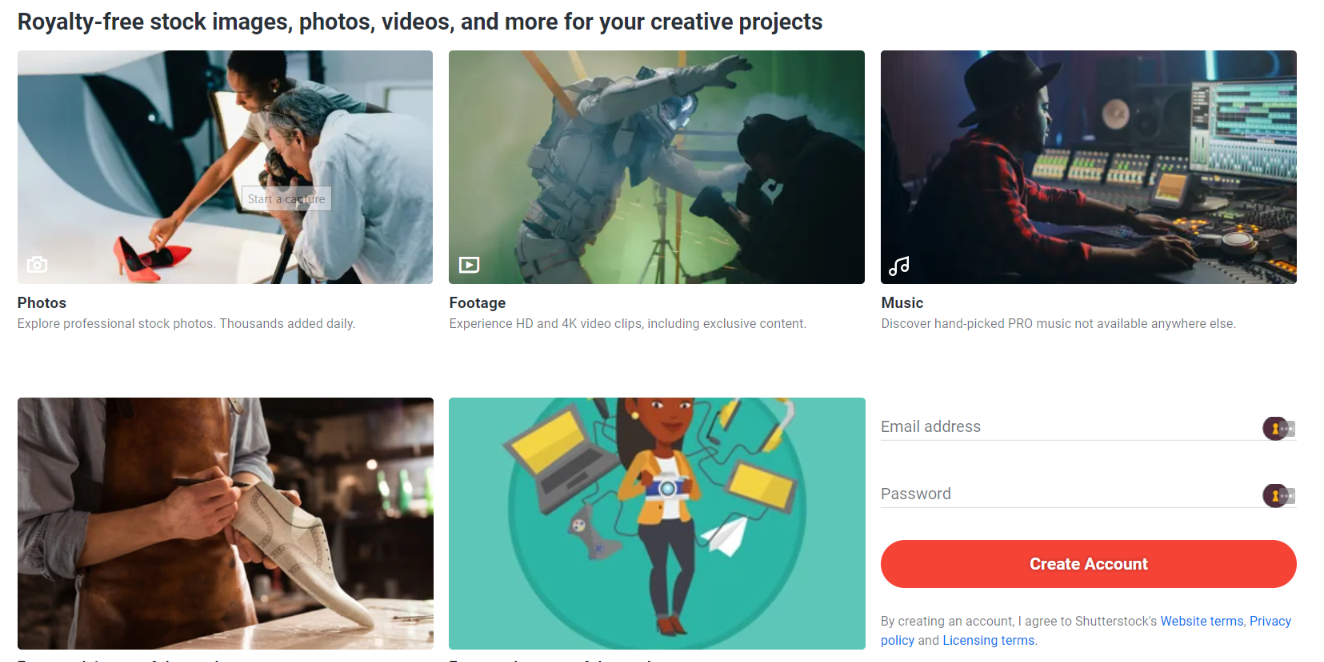
 Today’s Shutterstock promo codes can get you up to 15% off on all image subscriptions and 10% off on all footage products. This promotion is exclusive to Stock Photo Secrets readers only. It expires on December, 2026, so hurry and redeem your coupon code now! To redeem, make sure you copy the code first. Then, follow these three simple steps: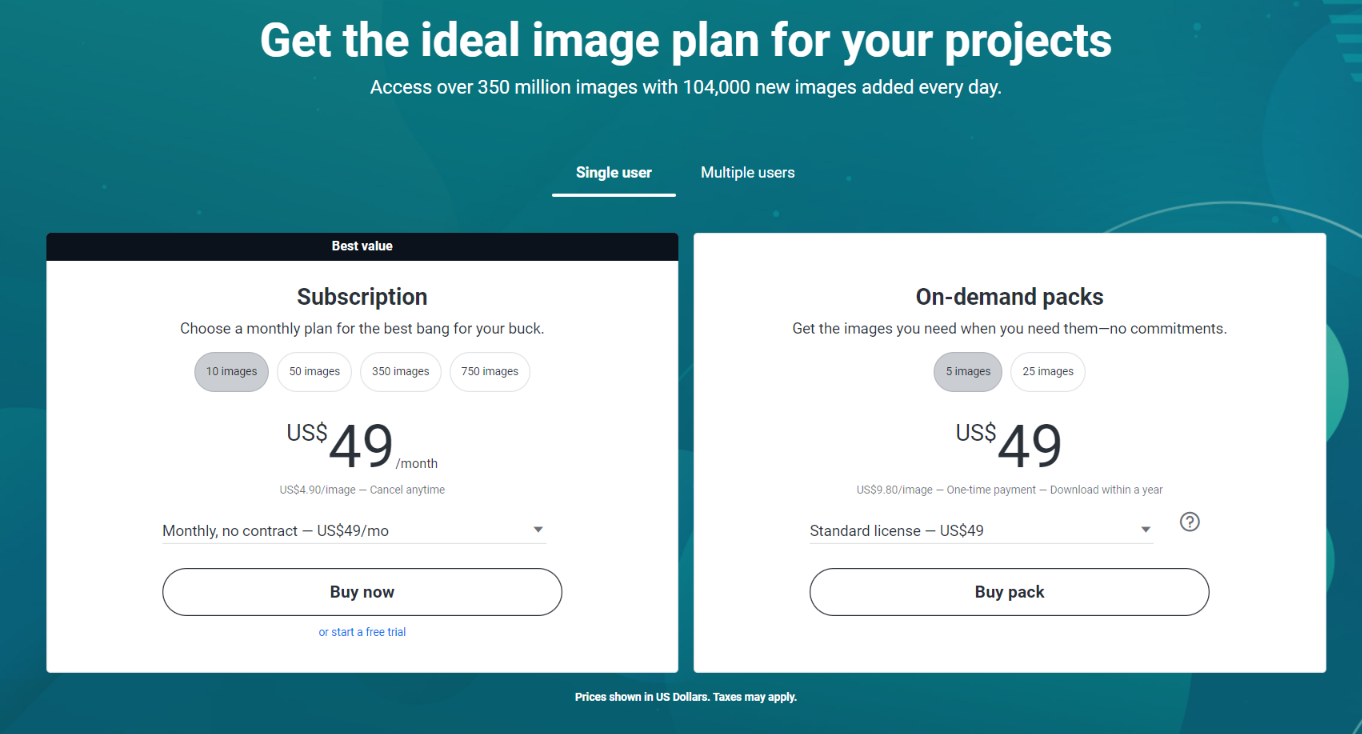

 Stress free access – Cheap stock photos from 99 Club can be used whenever, forever. Download any of the images and illustrations to jump start your creative project or to spice up your blog and website. By subscribing to the stock agency, you can use your downloads whenever you like, even all in one day. The membership is only given to a limited number of customers, so hurry!
 When it comes to making your website or blog more appealing, you need more than relevant text. High quality images play a great role in attracting your readers and making them stay. In many cases, they are the difference between the dull posts and amazing ones. Conducting your own photoshoot gives you assurance that the images do not only match your theme and style, they are also safe to use. After all, you already own the copyright. Click here to